'/%3e%3cdefs%3e%3clinearGradient%20id='paint0_linear_105_319'%20x1='660.902'%20y1='-123.48'%20x2='540.397'%20y2='398.486'%20gradientUnits='userSpaceOnUse'%3e%3cstop%20offset='1'/%3e%3c/linearGradient%3e%3c/defs%3e%3c/svg%3e)
Impact Loop — Micro-Factory Sierra Leone
Micro-Factory für Trockenfrüchte in Sierra Leone
Agrarwirtschaft & Lebensmittelverarbeitung · Sierra Leone · Aktives Projekt
Lokale Wertschöpfung statt Rohstoff-Export · Community-Funding
Wer steckt dahinter
- Initiative
- Impact Loop GmbH
- Branche
- Agrarwirtschaft, Lebensmittelverarbeitung & Nachhaltige Entwicklung
- Projektregion
- Sierra Leone / Afrika
- Fokus
- Dezentrale Wertschöpfung durch lokale Produktion
Die Herausforderung
Um die lokale Landwirtschaft in Sierra Leone zu stärken und die Nachernteverluste tropischer Früchte zu minimieren, hat Impact Loop ein innovatives Konzept zur dezentralen Lebensmittelverarbeitung entwickelt.
So haben wir es umgesetzt
- 01
Micro-Factory
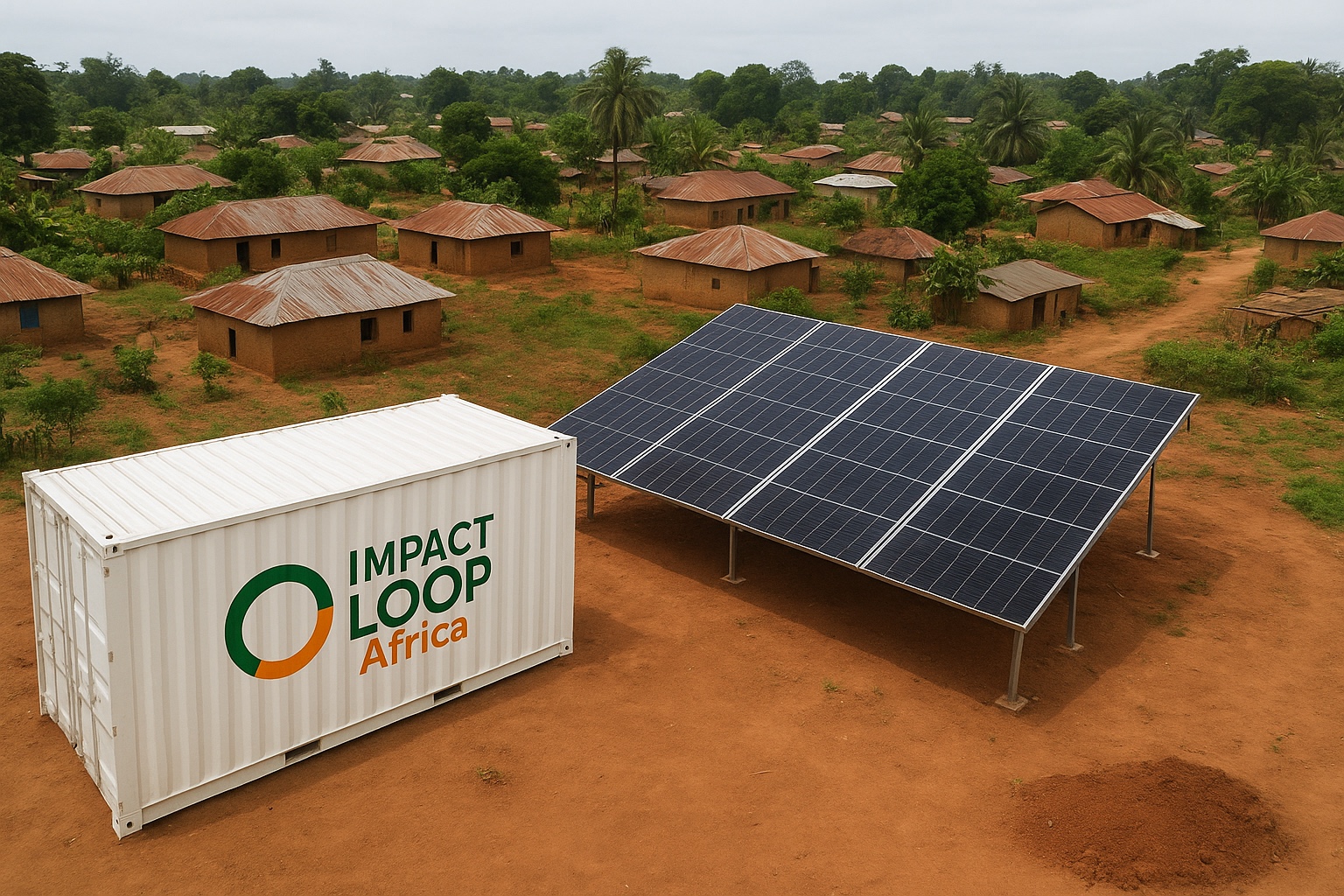
Eine kompakte, energieautarke und mobile Produktionsstätte wurde errichtet, die direkt vor Ort betrieben wird.
- 02
Trocknungstechnologie
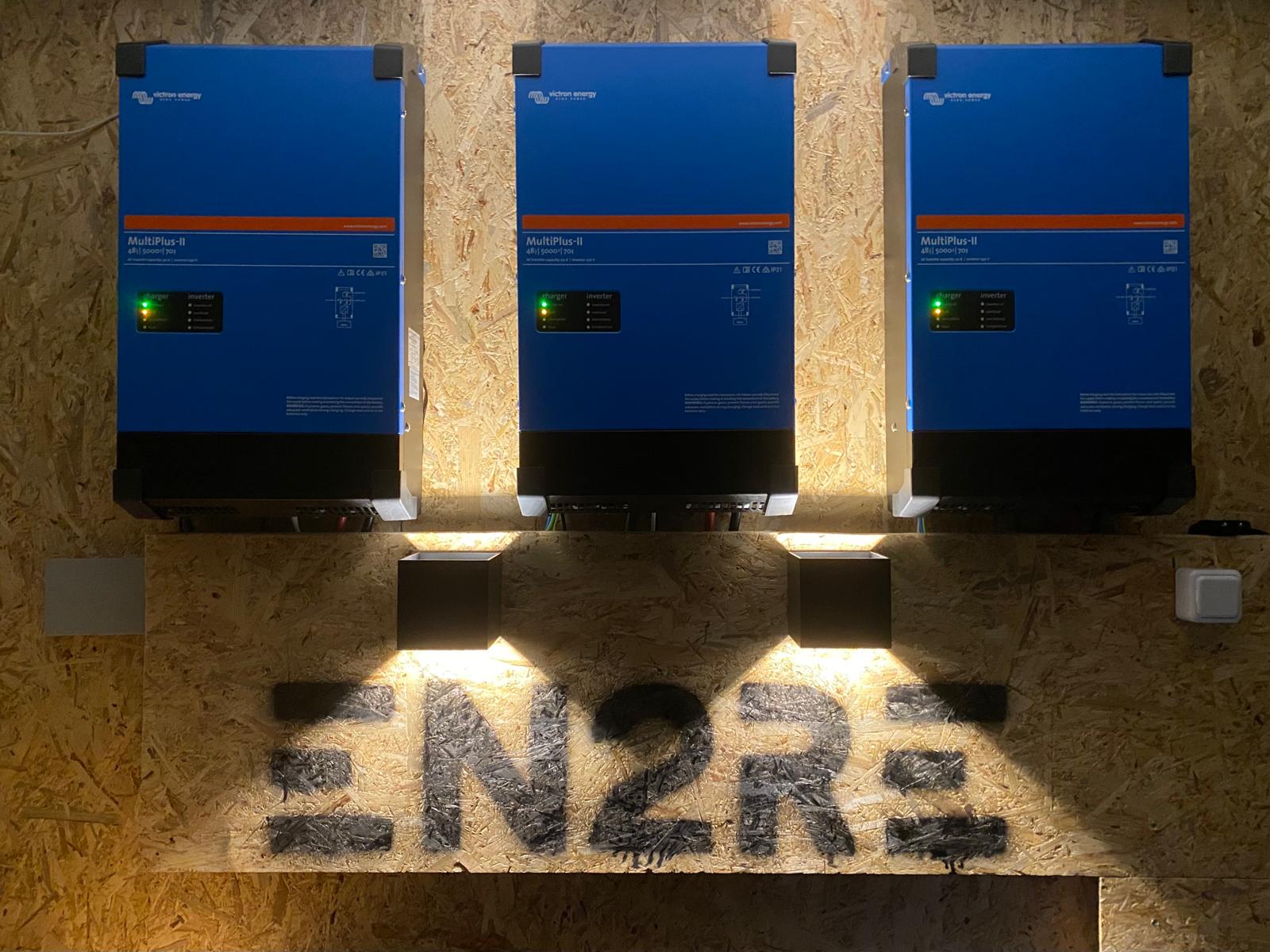
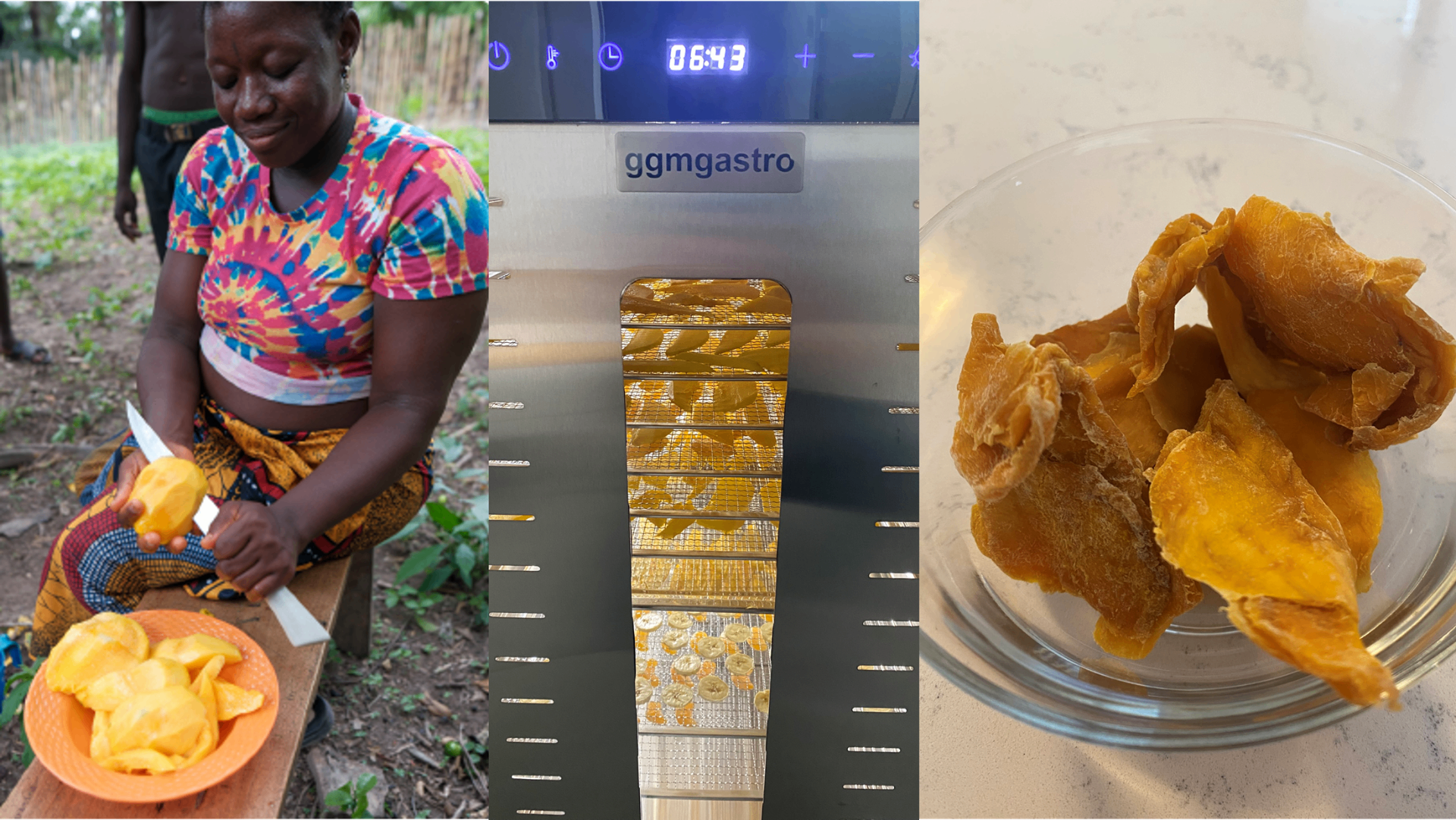
Die Anlage nutzt ein dezentrales Microgrid aus 15 kWp PV und 32 kWh Batteriespeicher, um frische Früchte zu hochwertigen Trockenfrüchten zu verarbeiten.
- 03
Wertschöpfung vor Ort
Durch die Verarbeitung in der Region bleibt die gesamte Wertschöpfungskette in Sierra Leone — und die Haltbarkeit wird ohne Kühlkette verlängert.
- 04
Community-Funding
Als Alternative zu Crowd-Funding wird über die Plattform projektbezogen Kapital via Genussrechte oder stille Beteiligungen eingesammelt.
Was das Projekt bewirkt
- Reduktion von Lebensmittelverlusten durch schnelle, schonende Verarbeitung vor Ort.
- Einkommenssicherung: lokale Arbeitsplätze und höhere Einkommen für Kleinbauern und Arbeiter.
- Klimaschutz & Energieeffizienz: keine energieintensiven Kühlketten, optimierte Trocknung.
Wirkung auf einen Blick
0 €
Eigeninvest des Unternehmens
6,0 %
Verzinsung der Beteiligung
4.500 €/a
Rückzahlung an Beteiligte
45.000 €
Investitionsvolumen
Beteiligungsrechner
Projektkennzahlen im Überblick
| Kostenfaktor | Vorher (A) | Nachher (B) | Einsparung / Effekt |
|---|---|---|---|
| Eigeninvest des Unternehmens | – | 0 € | Beteiligungsmodell |
| Verarbeitung | Roh-Export | Vor Ort in Sierra Leone | Wertschöpfung im Land |
| Energieversorgung | Netz / Diesel | 15 kWp PV + 32 kWh Speicher | Energieautark |
| Sozialer Effekt | – | Faire Vergütung & Jobs | Stabile Einkommen |
| Klimatischer Effekt | Logistik-CO₂ | Lokale Logistik | Reduktion CO₂ & Verluste |
Bilder aus dem Projekt
„Durch den Einsatz unserer Micro-Factory in Sierra Leone machen wir die Lebensmittelverarbeitung unabhängig von großen Lieferketten. Das stärkt die Region, schafft Arbeitsplätze und verringert food waste signifikant."
Lerneffekt für Ihr Projekt
Dieses Modell passt zu Ihnen, wenn Sie regionale Wertschöpfung mit dezentraler erneuerbarer Energie und Community-Kapital verbinden wollen — auch jenseits klassischer Märkte.
Technische Auslegung und Beteiligung nachvollziehen
Öffnen Sie die Auslegung dieses Projekts im Energie-Szenario-Studio oder rechnen Sie die Beteiligung im Beteiligungsrechner nach — mit den Werten dieses Projekts vorbelegt.
Technische Auslegung: Inselnetz 15 kWp + 32 kWh
Inselbetrieb ohne Netzanschluss: Speicherauslegung, ungedeckte Last und Residualerzeugung im Jahresverlauf.
- 15 kWp PV
- 32 kWh Speicher
- Insel
Beteiligung: 45.000 € Community-Funding
Wie sich Community-Kapital gegenüber klassischer Vorfinanzierung rechnet.
- 45.000 €
- Community-Funding
Alle Werte sind Richtwerte aus dem Projekt und im Rechner frei anpassbar.
Ähnliches Projekt? Lassen Sie uns sprechen.
Wir zeigen Ihnen, ob das Modell auf Ihre Konstellation übertragbar ist — in 30 Minuten.